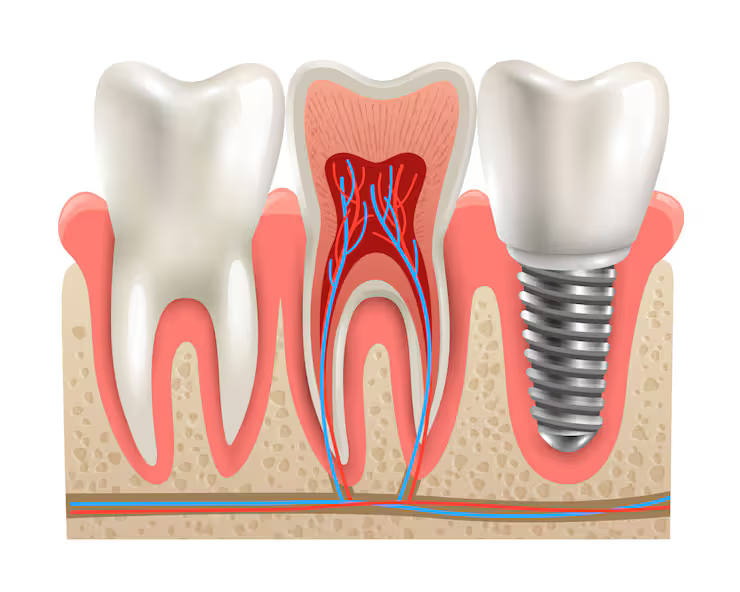
Dental implants are a modern tooth replacement method designed to restore missing teeth in a stable and long-lasting way. They typically consist of a small post placed in the jawbone, which acts as an artificial tooth root, along with a connector and a replacement tooth structure. The idea behind dental implants exists because natural teeth can be lost due to decay, injury, gum conditions, or age-related factors.
Unlike removable tooth replacements, dental implants are intended to integrate with the jawbone over time. This integration helps replicate the function of natural tooth roots, supporting normal chewing and speaking. Dental implants were developed to address limitations seen in older tooth replacement techniques that did not stimulate the jawbone.
Why Tooth Replacement Solutions Exist
Tooth replacement methods exist to maintain oral balance. When a tooth is missing, nearby teeth may shift, and the jawbone in that area may gradually reduce in density. Dental implants aim to prevent these changes by providing structural support where a natural tooth once existed.
Why Dental Implants Matter Today
Growing Relevance in Oral Health
Dental implants have become increasingly important due to rising awareness about long-term oral health. People are living longer, and maintaining natural oral function has become a priority across different age groups. Missing teeth are no longer seen as only a cosmetic concern; they are linked to chewing efficiency, speech clarity, and jawbone health.
Who Is Affected by Tooth Loss?
Tooth loss can affect:
-
Adults with long-term dental decay
-
Individuals with gum-related conditions
-
People who experience accidental tooth injury
-
Older adults facing age-related dental changes
Dental implants provide a structured approach for addressing these challenges by offering a stable foundation within the jaw.
Problems Addressed by Dental Implants
Dental implants help address several issues associated with missing teeth:
-
Reduced chewing efficiency
-
Gradual jawbone shrinkage
-
Shifting of surrounding teeth
-
Changes in facial structure over time
By supporting the jawbone, implants help maintain oral alignment and overall dental stability.
Recent Updates and Developments in Dental Implants
Advancements in Implant Materials (2024–2025)
In recent years, implant materials have continued to improve. As of mid-2024, titanium alloys and zirconia-based implants remain widely researched due to their strength and compatibility with human bone. Research published in dental journals during 2024 highlighted improved surface treatments that may support faster bone integration.
Digital Planning and Imaging Trends
By late 2024, digital scanning and 3D imaging tools became more common in implant planning. These technologies allow dental professionals to visualize jaw structure more precisely. Computer-guided implant placement has been increasingly discussed in clinical studies published between 2024 and early 2025.
Focus on Minimally Invasive Techniques
Recent discussions in dental conferences during 2024 emphasized minimally invasive implant techniques. These approaches aim to reduce tissue disruption and support smoother recovery phases. While still dependent on individual oral conditions, these techniques reflect a broader trend toward precision-based dental care.
Laws, Regulations, and Policies Affecting Dental Implants in India
Regulatory Oversight in India
In India, dental implant materials and related medical devices are regulated by the Central Drugs Standard Control Organization (CDSCO). Dental implants fall under medical device regulations, ensuring they meet established safety and quality standards.
Professional Guidelines
Dental implant procedures are guided by standards set by the Dental Council of India (DCI). These guidelines outline professional qualifications, ethical practices, and clinical responsibilities for dental practitioners.
Patient Safety and Compliance
Regulatory frameworks emphasize:
-
Use of approved implant materials
-
Proper sterilization and clinical protocols
-
Transparent patient communication and documentation
These policies aim to maintain patient safety and consistent clinical practices across the country.
Tools and Resources Related to Dental Implants
Diagnostic and Planning Tools
Several tools support understanding and planning dental implants:
-
Digital dental imaging software for jawbone assessment
-
3D scanning systems used in implant positioning analysis
-
Occlusion analysis tools to evaluate bite alignment
Educational Resources
Helpful resources for learning include:
-
Dental association educational portals
-
Peer-reviewed dental journals
-
Oral health awareness platforms
Comparison Table: Common Tooth Replacement Approaches
| Feature | Dental Implants | Fixed Bridges | Removable Options |
|---|---|---|---|
| Jawbone stimulation | Yes | No | No |
| Stability | High | Moderate | Variable |
| Impact on nearby teeth | Minimal | Possible | Minimal |
| Long-term structural support | High | Moderate | Low |
Visual Overview of Implant Structure
| Component | Purpose |
|---|---|
| Implant post | Acts as artificial root |
| Abutment | Connects post to crown |
| Replacement tooth | Restores chewing surface |
Frequently Asked Questions About Dental Implants
How long do dental implants last?
Dental implants are designed for long-term use. Their lifespan depends on oral hygiene, overall health, and regular dental checkups. Clinical literature often discusses implants lasting for many years when properly maintained.
Are dental implants suitable for everyone?
Not everyone is immediately suitable. Jawbone density, oral health, and medical conditions are evaluated before considering implants. A thorough dental assessment is essential.
Do dental implants feel like natural teeth?
Dental implants are designed to function similarly to natural teeth. Many individuals report that they feel stable during chewing and speaking once fully integrated.
How long does the implant process take?
The overall process may take several months, as it involves healing and bone integration phases. Timelines vary depending on individual oral conditions.
Are dental implants affected by age?
Age alone is not usually a limiting factor. Oral health and bone condition are more important considerations than chronological age.
Conclusion
Dental implants represent a structured and scientifically developed approach to tooth replacement. They exist to address functional and structural challenges associated with missing teeth while supporting jawbone health. With ongoing advancements in materials, digital planning, and clinical techniques, dental implants continue to evolve as a key topic in modern dentistry.
Regulatory oversight and professional guidelines help ensure patient safety and consistent standards, particularly in countries like India. By understanding how dental implants work, why they matter, and what tools and resources support them, individuals can gain clear and factual knowledge about this important aspect of oral health.
Disclaimer: The information provided in this article is for informational purposes only. We do not make any claims or guarantees regarding the accuracy, reliability, or completeness of the information presented. The content is not intended as professional advice and should not be relied upon as such. Readers are encouraged to conduct their own research and consult with appropriate professionals before making any decisions based on the information provided in this article.