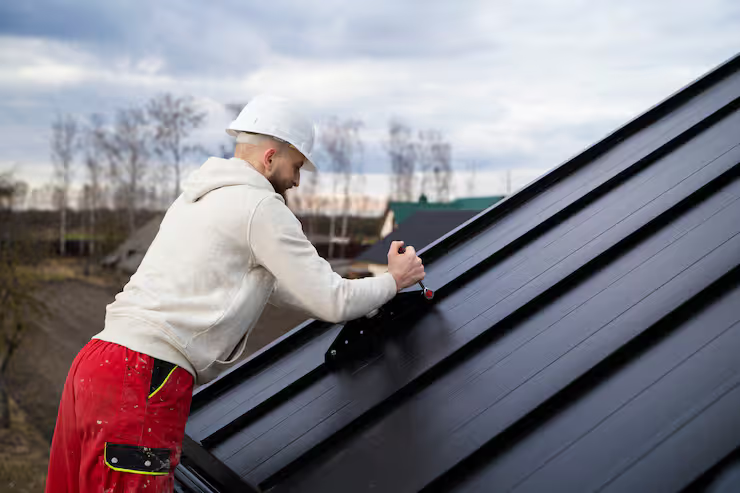
Roof leaks are among the most common structural issues faced by residential and commercial buildings. They develop when water finds a pathway through roofing materials and enters the interior of a structure. This guide explains how roof leak solutions work, why they matter today, and what property owners should understand to manage risks, comply with regulations, and make informed decisions. The focus is purely educational, designed for a general audience.
Context: Understanding Roof Leaks and Repair Solutions
Roof leaks occur when the protective layers of a roof fail to keep water out. Roof systems are designed to manage rain, snow, and moisture through slopes, membranes, flashing, and drainage paths. Over time, weather exposure, material aging, and structural movement can weaken these systems.
Common causes include:
-
Deterioration of shingles, tiles, or membranes
-
Cracks around chimneys, vents, and skylights
-
Blocked drainage paths leading to water pooling
-
Damage from storms, hail, or falling debris
Repair solutions exist to restore the roof’s ability to repel water and protect the building interior. These solutions range from localized patching to broader structural corrections, depending on the source and severity of the leak.
At a broader level, roof leak management is part of property maintenance, building safety, and asset preservation. It exists to reduce water intrusion, prevent secondary damage, and extend the functional lifespan of a structure.
Importance: Why Roof Leak Repair Knowledge Matters Today
Roof leaks matter because water damage can escalate quickly. Even small, unnoticed leaks may lead to larger structural or environmental problems if left unresolved.
Key reasons this topic is important include:
-
Property protection: Water intrusion can damage ceilings, walls, insulation, and electrical systems.
-
Health considerations: Persistent moisture may contribute to mold growth and indoor air quality concerns.
-
Financial risk management: Insurance claims related to property damage often depend on documented maintenance and timely repairs.
-
Energy efficiency: Wet insulation reduces thermal performance, increasing heating and cooling demands.
This topic affects homeowners, landlords, facility managers, and organizations responsible for maintaining buildings. In urban areas with aging infrastructure, roof leak issues are increasingly common due to older materials and denser construction.
From a planning perspective, understanding roof leaks helps individuals recognize early warning signs and interpret professional assessments more clearly.
Recent Updates: Trends and Changes in the Past Year
Over the past year, several developments have influenced how roof leak issues are approached:
-
2025 material advancements: Roofing manufacturers have introduced improved waterproof membranes and sealants with longer durability ratings and enhanced resistance to temperature fluctuations.
-
Climate-driven awareness: Increased rainfall intensity and extreme weather events reported in 2024–2025 have led to greater emphasis on roof resilience and drainage design.
-
Digital inspection tools: Drone-based roof inspection and moisture-detection sensors have become more widely discussed in industry publications during 2025. These tools aim to identify hidden leaks without invasive testing.
-
Building documentation standards: Recent updates in construction guidelines emphasize better record-keeping for inspections and repairs, supporting clearer insurance and compliance documentation.
These updates reflect a broader shift toward preventive maintenance and data-driven building management rather than reactive fixes alone.
Laws and Policies: Regulatory and Compliance Considerations
Roof leak repairs are influenced by building regulations and safety standards in many countries. While specific rules vary by region, several common regulatory themes apply:
-
Building codes: National and local building codes typically define minimum standards for roofing materials, waterproofing methods, and drainage design.
-
Safety regulations: Work performed on roofs must comply with occupational safety rules, including fall protection and equipment standards.
-
Insurance policy conditions: Property insurance policies often require reasonable maintenance and timely action after discovering leaks to remain compliant.
-
Environmental rules: Disposal of damaged roofing materials may be subject to waste management and environmental protection regulations.
Government housing and urban development programs in some regions also promote weather-resistant construction, indirectly shaping how roof leak solutions are designed and documented.
Understanding these rules helps property owners align repairs with compliance requirements and avoid disputes related to inspections or claims.
Tools and Resources: Practical Aids for Roof Leak Assessment
A range of tools and informational resources can support roof leak identification and planning. These aids are used for assessment, documentation, and education.
Commonly referenced tools and resources include:
-
Roof moisture meters for detecting trapped water
-
Infrared thermography reports used in building diagnostics
-
Roof inspection checklists for routine assessments
-
Building maintenance logs and documentation templates
-
Online weather data portals for tracking rainfall patterns
-
Roofing material lifespan charts published by industry associations
Example: Roof Leak Assessment Overview Table
| Area Checked | Purpose | Typical Findings |
|---|---|---|
| Shingles or tiles | Surface water protection | Cracks, curling, erosion |
| Flashing points | Seal transitions and joints | Gaps, corrosion |
| Gutters and drains | Direct water away from roof surface | Blockages, overflow marks |
| Attic or ceiling area | Identify internal moisture signs | Stains, damp insulation |
These resources help structure the evaluation process and support clear communication between property owners and technical professionals.
FAQs: Common Questions About Roof Leak Repair Solutions
What are early signs of a roof leak?
Early indicators often include water stains on ceilings or walls, peeling paint, damp insulation, or a musty odor indoors. Exterior signs may include damaged roofing materials or clogged drainage paths.
Can small leaks resolve on their own?
Roof leaks rarely resolve without intervention. Temporary drying may occur during dry weather, but the underlying entry point typically remains and may worsen over time.
How long does a typical roof repair last?
The longevity of a repair depends on the materials used, environmental exposure, and overall roof condition. Properly executed repairs aligned with building standards can remain effective for many years.
Are roof leaks always caused by damaged shingles or tiles?
No. Leaks often originate from flashing, sealant failure, drainage issues, or structural movement rather than the main roofing surface alone.
Does insurance always cover roof leak damage?
Coverage depends on policy terms, cause of damage, and maintenance history. Gradual deterioration is often treated differently from sudden weather-related damage.
Conclusion: Key Takeaways for Informed Decision-Making
Roof leak repair solutions play a vital role in protecting buildings from water-related damage. Understanding how leaks develop, why they matter, and how they are influenced by regulations empowers property owners to respond responsibly.
Recent trends highlight improved materials, better inspection methods, and stronger emphasis on preventive care. Laws and policies reinforce safety, documentation, and compliance, while practical tools support structured assessment and planning.
By viewing roof leak repairs as part of long-term building stewardship rather than isolated fixes, individuals and organizations can better safeguard structural integrity, indoor environments, and overall property value.