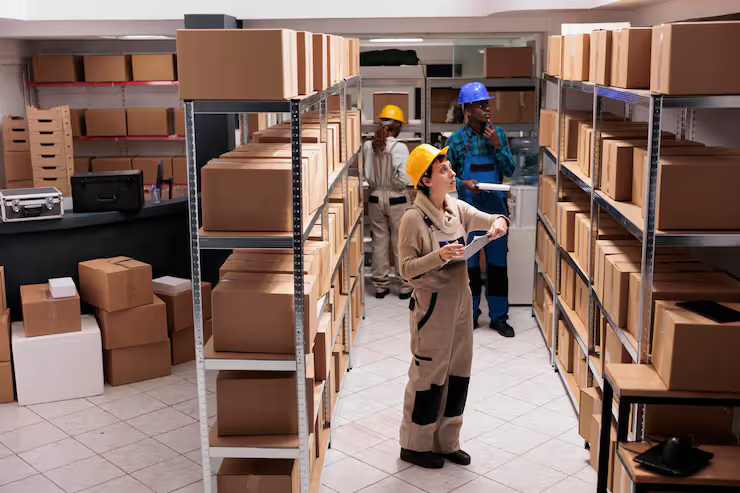
Industrial storage refers to structured systems and methods used to store raw materials, components, tools, and finished goods within factories and warehouses. These systems exist to ensure materials are organized, accessible, and protected throughout production, handling, and distribution processes.
As manufacturing and logistics operations expanded over time, simple floor stacking became inefficient and risky. Industrial storage solutions evolved to address challenges such as limited space, safety concerns, inventory visibility, and workflow efficiency. Today, industrial storage plays a foundational role in how modern facilities function on a daily basis.
Industrial storage is not limited to shelving. It includes racking systems, bins, pallets, mezzanines, automated systems, and digital inventory integration. Each approach is designed to match specific material types, load capacities, and operational needs.
Why Industrial Storage Matters Today
Industrial storage has become increasingly important due to changes in global supply chains, manufacturing volumes, and warehouse operations. As demand patterns fluctuate and product varieties increase, facilities require flexible and efficient storage layouts.
This topic matters to:
-
Manufacturing units handling raw materials and components
-
Warehouses managing high-volume inventory
-
Logistics hubs coordinating inbound and outbound goods
-
Facility planners and operations managers
Key problems industrial storage helps address include:
-
Space optimization in high-rent industrial zones
-
Reduced material handling time
-
Improved workplace safety
-
Better inventory control and traceability
Well-planned storage systems help minimize material damage, reduce manual errors, and support smooth production flow. They also contribute to compliance with workplace safety standards and operational transparency.
Common benefits associated with structured industrial storage include:
-
Clear material segregation
-
Faster picking and replenishment cycles
-
Lower risk of accidents
-
Easier audits and inspections
Recent Updates and Industry Trends (2024–2025)
Over the past year, industrial storage has seen notable changes influenced by technology adoption and regulatory focus.
Automation and smart storage systems (2024):
Many facilities have adopted automated storage and retrieval systems (AS/RS) to improve accuracy and reduce manual handling. These systems integrate with warehouse management software and support real-time inventory tracking.
Increased focus on vertical storage (2024):
With limited horizontal expansion options, warehouses are maximizing vertical space using high-bay racking and mezzanine structures.
Sustainability-driven design updates (2025):
There is a growing shift toward recyclable materials, modular racking, and energy-efficient layouts to align with environmental standards.
Safety-driven redesigns (late 2024):
Following updated workplace safety advisories, facilities are revisiting load ratings, aisle widths, and rack anchoring practices.
Laws, Standards, and Policy Influence
Industrial storage systems are directly influenced by safety regulations, building codes, and labor laws. These rules vary by country but generally focus on worker safety, load stability, and structural integrity.
Common regulatory considerations include:
-
Maximum load limits for racks and shelves
-
Seismic safety requirements in certain regions
-
Fire safety clearance and aisle spacing
-
Material handling and stacking height rules
In many regions, occupational safety authorities require regular inspections of storage structures to prevent collapses and accidents. Environmental regulations may also influence material selection and waste handling related to storage systems.
Government-backed industrial modernization programs in several countries encourage the adoption of organized storage and digital inventory practices to improve productivity and compliance.
Tools and Resources for Industrial Storage Planning
Several tools and resources help facilities plan, manage, and evaluate industrial storage systems efficiently.
Planning and layout tools
-
Warehouse layout planning software
-
Space utilization calculators
-
Load capacity and racking configuration tools
Digital inventory systems
-
Warehouse management systems (WMS)
-
Barcode and RFID tracking platforms
-
Inventory forecasting dashboards
Reference resources
-
Industrial safety standard documentation
-
Storage inspection checklists
-
Material handling guidelines from regulatory bodies
Evaluation templates
-
Storage capacity assessment sheets
-
Risk analysis templates for rack systems
-
Maintenance and inspection logs
These tools support data-driven decisions and help maintain consistent storage practices across facilities.
Common Types of Industrial Storage Systems
Below is a simplified comparison table outlining commonly used industrial storage systems and their typical applications.
| Storage System Type | Typical Use Case | Key Characteristics |
|---|---|---|
| Pallet Racking | Bulk goods storage | High load capacity, forklift access |
| Shelving Systems | Small to medium items | Manual access, flexible layouts |
| Bin Storage | Components and parts | Segregation, easy identification |
| Mezzanine Storage | Space expansion | Vertical utilization |
| Automated Storage | High-volume operations | Software-integrated, precise handling |
Key Factors to Consider When Selecting Storage Systems
When evaluating industrial storage options, facilities typically assess multiple operational factors.
Important considerations include:
-
Type and weight of stored materials
-
Available floor and vertical space
-
Frequency of material movement
-
Safety and compliance requirements
-
Integration with digital systems
Balancing these factors helps ensure storage systems support both current operations and future scalability.
Frequently Asked Questions
What is the main purpose of industrial storage in factories?
Industrial storage helps organize materials, improve accessibility, enhance safety, and support efficient production and inventory control.
How does industrial storage improve warehouse efficiency?
By optimizing space, reducing search time, and enabling systematic material flow, storage systems improve overall operational efficiency.
Are industrial storage systems standardized?
Many systems follow international safety and load standards, but configurations are customized based on facility requirements and regulations.
How often should industrial storage systems be inspected?
Regular inspections are typically recommended at least annually, with additional checks after layout changes or heavy usage periods.
Can industrial storage adapt to changing inventory needs?
Modular and adjustable storage systems allow facilities to reconfigure layouts as inventory types and volumes change.
Visual Overview of Storage Utilization Metrics
Below is an example of how facilities often track storage performance using internal metrics.
| Metric | Description |
|---|---|
| Space Utilization Ratio | Percentage of usable storage space |
| Inventory Turnover | Frequency of stock movement |
| Picking Accuracy | Error rate in item selection |
| Safety Incident Rate | Storage-related safety events |
Such metrics help organizations identify inefficiencies and improvement areas.
Conclusion
Industrial storage is a critical component of factory and warehouse operations, supporting organization, safety, and efficiency. As facilities face increasing pressure to optimize space and manage complex inventories, structured storage systems provide practical solutions to long-standing challenges.
Recent developments in automation, sustainability, and safety standards have further shaped how storage systems are designed and managed. Regulatory frameworks continue to guide safe and compliant practices, while digital tools enable better planning and monitoring.
By understanding the context, importance, regulations, and available resources related to industrial storage, organizations can make informed decisions that align with operational needs and long-term facility goals.