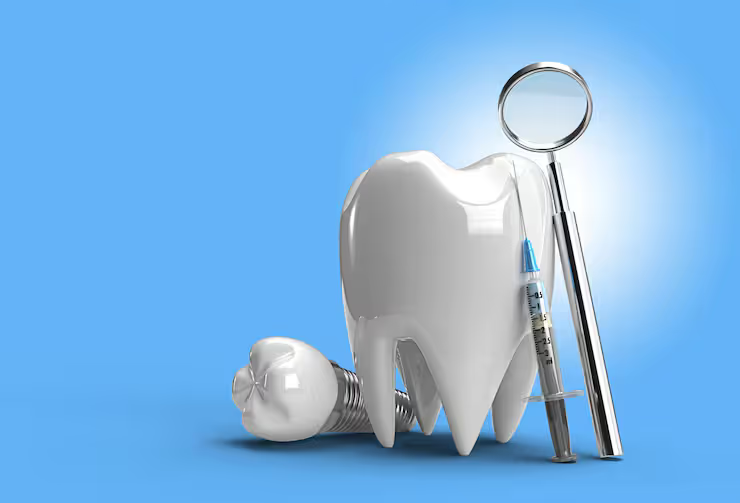
Dental implants are a modern dental solution used to replace missing teeth. They are designed to function like natural tooth roots and support artificial teeth such as crowns, bridges, or dentures. Over time, dental implants have become an important part of restorative dentistry because they help improve oral function and maintain the structure of the jawbone. Understanding how dental implants work and why they are used can help individuals gain a clearer perspective on this dental treatment from an informational point of view.
How Dental Implants Support Oral Health and Daily Living
Dental implants are developed to provide both stability and comfort in everyday life. Their design focuses on restoring basic oral functions such as chewing and speaking while also supporting long-term oral health.
-
Provide a stable foundation for replacement teeth
-
Help maintain jawbone structure and facial shape
-
Improve ability to chew and speak clearly
-
Blend with natural teeth in appearance
-
Designed for long-term use with proper care
These characteristics make dental implants a widely discussed option in modern dentistry for addressing tooth loss in a functional and practical way.
Why Dental Implants Suit Different Needs and Lifestyles
People experience tooth loss for various reasons, including injury, decay, or age-related factors. Dental implants can be considered in many situations because they are adaptable to different oral conditions and lifestyle requirements.
-
Suitable for replacing single or multiple missing teeth
-
Can support bridges or full dentures in certain cases
-
Help maintain spacing and alignment in the mouth
-
Often preferred by individuals seeking a fixed alternative to removable solutions
-
Designed to support both aesthetic and functional goals
This flexibility allows dental implants to be relevant for a wide range of individuals exploring tooth replacement methods.
Informational Insights About Dental Implants
| Aspect | Details |
|---|---|
| Treatment Type | Tooth replacement using a titanium or ceramic implant post |
| Common Uses | Supporting crowns, bridges, or dentures |
| Key Features | Stability, durability, bone support |
| Oral Health Benefits | Helps maintain jawbone density and bite function |
| Appearance | Designed to resemble natural teeth |
| Supporting Care | Regular oral hygiene and dental check-ups |
Practical Tips to Understand Dental Implants Better
Before learning more about dental implant procedures, it can be useful to consider general factors that influence oral health and treatment suitability.
-
Maintain good oral hygiene habits and routine dental visits
-
Understand the importance of healthy gums and bone structure
-
Learn about the stages involved in implant placement and healing
-
Consider lifestyle factors such as diet and daily oral care routines
-
Be aware of the time needed for healing and long-term maintenance
These points can help individuals build basic awareness about dental implants without focusing on clinical decisions or treatment planning.
Conclusion
Dental implants represent an advancement in restorative dentistry that focuses on improving oral function, structural support, and overall comfort. With their ability to mimic natural tooth roots and support different types of dental restorations, they provide a practical approach to managing tooth loss. By understanding their features, uses, and general considerations, individuals can gain balanced and useful insights into dental implants from an educational perspective.