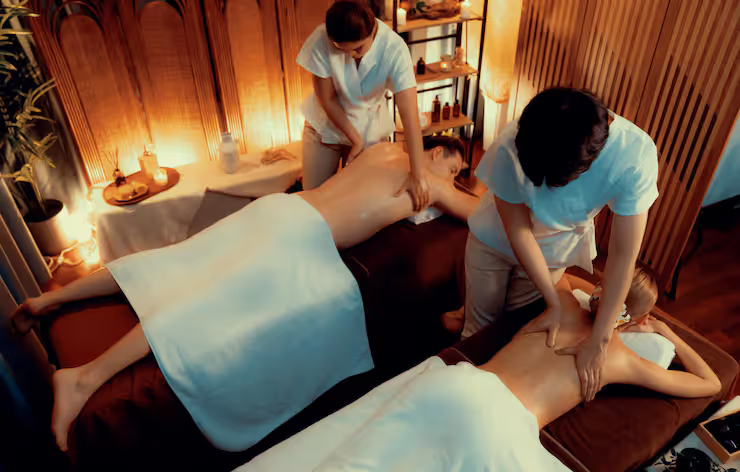
Spa massages are structured wellness practices that involve manual techniques applied to the body’s soft tissues. These practices have existed for thousands of years across different cultures, including ancient Indian, Chinese, Egyptian, and Greek traditions. Historically, massage methods were used to support physical comfort, mental calmness, and overall balance in daily life.
In modern settings, spa massages are commonly associated with wellness centers, health retreats, and relaxation-focused environments. The purpose is not medical treatment, but rather general well-being support through touch-based techniques that encourage physical ease and mental relaxation. Over time, spa massages have evolved into standardized practices with defined methods, hygiene protocols, and wellness frameworks.
Today, spa massage education emphasizes anatomy awareness, pressure control, and relaxation-focused environments. This makes spa massages accessible to a broad audience seeking stress awareness, lifestyle balance, and physical relaxation knowledge.
Importance: Why Spa Massages Matter Today
Spa massages are increasingly relevant due to modern lifestyle patterns that involve prolonged screen time, limited physical movement, and high mental load. These conditions contribute to tension awareness, fatigue, and reduced relaxation opportunities.
Spa massages matter today because they address common lifestyle challenges such as:
-
Physical stiffness caused by sedentary routines
-
Mental fatigue linked to information overload
-
Reduced body awareness from limited movement
-
Difficulty achieving deep relaxation
They affect a wide range of individuals, including office professionals, older adults, athletes, frequent travelers, and people managing high-pressure schedules. While spa massages are not medical interventions, they are often discussed in wellness education as complementary practices that support relaxation routines.
From a wellness education perspective, spa massages also promote body literacy. Understanding how different massage techniques work allows individuals to make informed choices about relaxation practices that align with their personal comfort levels and health awareness goals.
Recent Updates: Trends and Developments in the Past Year
Over the past year, spa massage practices have continued to adapt to changing wellness expectations and regulatory awareness.
Key updates observed during 2024–2025 include:
-
Early 2024: Increased focus on evidence-informed wellness education, with massage explanations referencing anatomy and physiology rather than generalized claims.
-
Mid 2024: Growth in demand for quiet, sensory-minimal environments, reducing overstimulation during massage sessions.
-
Late 2024: Adoption of digital intake forms to document preferences, pressure sensitivity, and comfort considerations.
-
January 2025: Greater integration of mindfulness-based relaxation concepts into massage education programs.
There has also been a noticeable rise in discussions around ethical touch practices and informed consent frameworks, particularly in wellness training materials published during 2024. These changes reflect a broader shift toward transparency, safety awareness, and user education within the wellness sector.
Laws or Policies: Regulatory Considerations and Oversight
Spa massage practices are influenced by local regulations, professional guidelines, and public health standards. While laws vary by country and region, several common regulatory themes apply globally.
General regulatory considerations include:
-
Licensing or certification requirements for massage practitioners
-
Hygiene and sanitation standards for wellness environments
-
Clear differentiation between wellness practices and medical therapy
-
Mandatory disclosure and consent guidelines
In many countries, wellness authorities and health departments updated their guidance during 2023–2024 to reinforce professional boundaries and public safety. Some regions also introduced clearer definitions distinguishing spa massage from physiotherapy or clinical treatment.
Government-backed skill development programs in several countries have expanded wellness education frameworks, emphasizing standardized training and ethical practice awareness. These policy shifts aim to protect consumers while maintaining clarity about what spa massages represent within a wellness context.
Tools and Resources: Helpful References for Learning and Awareness
A variety of educational and informational tools are available for those seeking to understand spa massages from a wellness perspective.
Commonly used resources include:
-
Anatomy reference charts for muscle groups
-
Digital wellness journals for relaxation tracking
-
Massage pressure scale diagrams
-
Wellness education websites focused on body awareness
-
Mindfulness and relaxation apps with guided breathing
Example Comparison Table: Common Spa Massage Styles
| Massage Style | Focus Area | Typical Pressure | Primary Purpose |
|---|---|---|---|
| Swedish Massage | Full-body relaxation | Light to moderate | General relaxation |
| Deep Tissue Massage | Muscle layers | Moderate to firm | Tension awareness |
| Hot Stone Massage | Heat-assisted relaxation | Light to moderate | Comfort support |
| Aromatherapy Massage | Sensory relaxation | Light | Stress awareness |
These tools help individuals understand different approaches without making assumptions about outcomes. Educational clarity supports informed wellness decisions.
FAQs: Common Questions About Spa Massages
What is the main purpose of a spa massage?
The primary purpose is relaxation and general well-being support. Spa massages focus on comfort, calmness, and body awareness rather than medical outcomes.
Are spa massages suitable for all age groups?
Generally, spa massages can be adapted for different age groups, but individual comfort, mobility, and health awareness should always be considered.
How often are spa massages discussed in wellness education?
Spa massages are commonly included in wellness education programs as examples of relaxation practices that support lifestyle balance.
Do spa massages replace medical care?
No. Spa massages are wellness practices and are not substitutes for medical diagnosis or treatment.
What should someone know before learning about spa massages?
Understanding basic anatomy, pressure sensitivity, and personal comfort preferences is helpful when exploring spa massage information.
Conclusion: A Balanced View of Spa Massages
Spa massages represent a long-standing wellness practice centered on relaxation, body awareness, and mental calmness. Their continued relevance reflects modern lifestyle challenges and the growing importance of structured relaxation knowledge.
Over the past year, spa massage education has evolved to emphasize transparency, ethical awareness, and informed participation. Regulatory frameworks and wellness guidelines have further clarified boundaries, ensuring that spa massages remain clearly positioned within the wellness domain.
By understanding their context, importance, regulatory environment, and available resources, individuals can approach spa massages as informed wellness practices rather than assumptions-based experiences. This balanced perspective supports thoughtful engagement with relaxation and well-being education.